


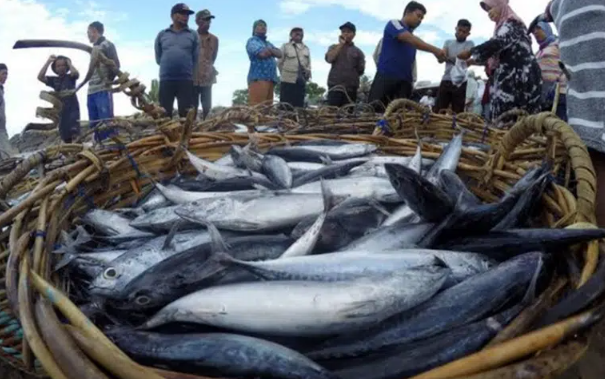
POLIJE Introduces Micro-Nano Ozone Technology to Enhance Export Quality of Tuna
Researchers from Politeknik Negeri Jember (POLIJE) have developed an innovative Micro-Nano Bubble Ozone (MNBO) technology to improve the quality and safety of tuna destined for international markets. The innovation addresses one of the major challenges in Indonesia's fisheries industry—maintaining product quality while meeting stringent export standards. By reducing histamine levels and preserving the chemical quality of tuna, the technology has the potential to increase the competitiveness of Indonesian seafood in global markets.
The technology combines ozone treatment with micro- and nano-sized bubbles generated through a diffuser system. This non-thermal preservation method enables ozone to dissolve more effectively in water, allowing it to inactivate microorganisms and reduce contaminants without compromising the nutritional value or freshness of the fish. Unlike conventional preservation methods, the MNBO system maintains product quality while minimizing the use of chemical additives.
According to the POLIJE research team, histamine is a critical food safety indicator for tuna exports. Excessive histamine levels can cause food poisoning and are among the primary reasons export shipments are rejected in international markets. Experimental results demonstrated that the MNBO diffuser system significantly reduced histamine concentrations while maintaining important quality parameters, including protein, fat, and freshness, making the technology a promising solution for export-oriented fish processing.
The research was conducted using an ozone generator with a capacity of 20 grams per hour, integrated with a specially designed diffuser system that produces micro- and nano-sized bubbles. Through controlled washing treatments, researchers optimized ozone contact time to maximize microbial reduction while preserving the physical and chemical characteristics of tuna. The findings indicate that the technology can substantially improve food safety and product stability throughout the supply chain.
Beyond laboratory research, the innovation reflects POLIJE's commitment to developing practical technologies that directly support Indonesia's fisheries industry. The university has actively promoted ozone-based preservation technologies through collaborations with fish processing enterprises and community empowerment programs, enabling small and medium-scale seafood businesses to adopt more advanced, environmentally friendly processing methods.
The development of MNBO technology also strengthens POLIJE's role in applied research and innovation. By integrating engineering, food technology, and fisheries science, the university provides students and researchers with opportunities to address real industrial challenges while contributing solutions that enhance product quality, food safety, and export competitiveness. This approach reflects POLIJE's emphasis on research with direct economic and societal impact.
Indonesia is one of the world's leading tuna producers, making continuous improvements in quality assurance essential for maintaining access to international markets. Technologies that reduce contamination and preserve freshness are increasingly important as importing countries apply stricter food safety regulations. POLIJE's innovation offers a sustainable alternative that supports compliance with global quality standards while increasing the added value of Indonesian seafood products.
Through the development of Micro-Nano Bubble Ozone Technology, POLIJE demonstrates how vocational higher education can drive innovation that benefits industry and society. By combining scientific research with practical applications, the university is helping strengthen Indonesia's fisheries sector, improve the quality of export products, and enhance the global competitiveness of the nation's seafood industry through sustainable, science-based solutions.


