


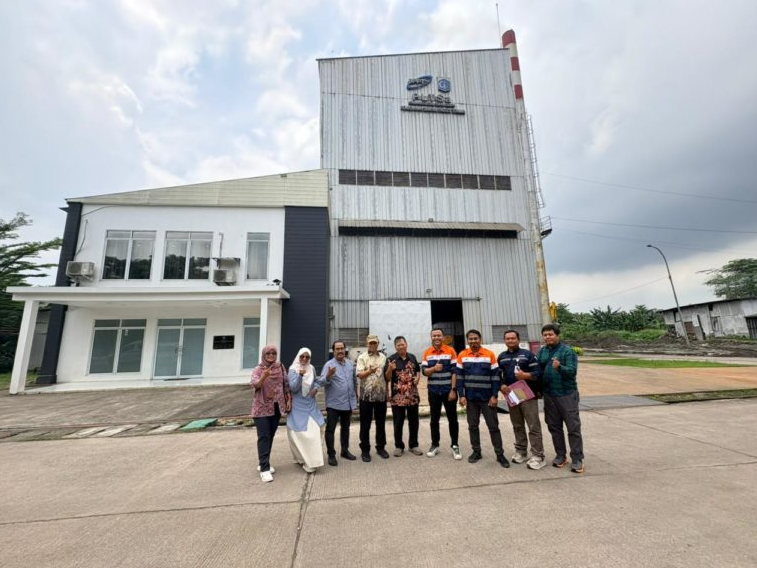
Polije Partners with Bantar Gebang Waste-to-Energy Plant to Advance Energy-Independent Campus Vision
Politeknik Negeri Jember (Polije) has established a strategic partnership with the Bantar Gebang Waste-to-Energy Plant (PLTSa) to accelerate the development of renewable energy technology based on waste processing. The collaboration is part of Polije’s commitment to becoming an energy-independent campus while supporting its Green Campus agenda and contributing to the achievement of the Sustainable Development Goals (SDGs).
The partnership focuses on transforming both organic and inorganic waste into electrical energy through advanced waste-to-energy technology. Through its Renewable Energy Engineering Study Program, Polije is exploring the conversion of waste into steam, which can then be used to drive turbine generators and produce electricity.
According to Michael Joko Wibowo, a member of Polije’s Advisory Board, the institution possesses sufficient expertise and human resources to implement waste-to-energy technology on campus. He emphasized that the initiative could significantly reduce unmanaged waste and help Polije move closer to achieving a zero-waste concept.
The collaboration is also expected to strengthen environmental awareness among students and the academic community. By integrating renewable energy technology into campus operations and learning activities, Polije aims to create a practical model of sustainable environmental management that can be replicated in other educational institutions.
Wendy Triadji Nugroho, Head of Polije’s SDGs Team, described the partnership as an important step in building a culture of sustainability driven by technological innovation. He noted that the current focus is on preparing the implementation of waste-to-energy systems that can operate independently within the campus environment.
The Bantar Gebang PLTSa itself has become one of Indonesia’s most recognized waste-to-energy facilities and serves as a pilot project for converting municipal waste into renewable electricity. Its operational experience provides valuable insights that can support Polije in developing similar technologies and adapting them to educational and research purposes.
As part of the collaboration, Polije plans to develop an internally designed PLTSa prototype that can serve both as a learning platform and as a practical solution for campus waste management. The project aligns with the institution’s Teaching Factory approach, which combines education, research, and production-based innovation.
Through this partnership, Polije demonstrates its commitment to creating a sustainable and technologically advanced campus ecosystem. By converting waste into a valuable energy resource, the institution aims not only to reduce environmental impacts but also to establish a model of renewable energy innovation that supports long-term economic, educational, and environmental sustainabili


