Polije Turns Waste into Opportunity Through Maggot Cultivation on Earth Day
15 March 2026
Admin
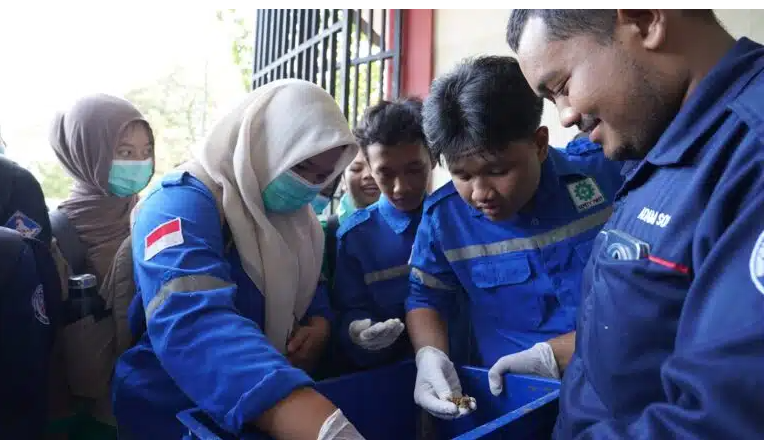
Politeknik Negeri Jember (Polije) commemorated Earth Day 2026 by launching an innovative environmental initiative that converts organic waste into valuable livestock feed through maggot cultivation. The program forms part of the institution’s broader commitment to creating a sustainable and environmentally responsible campus ecosystem while promoting practical solutions for waste management.
The initiative is closely linked to Polije’s Green Campus strategy and Sustainable Development Goals (SDGs) agenda. Through the program, students are encouraged to actively participate in environmental conservation activities by learning how to manage and process organic waste into economically valuable products.
According to Wendy Triadji Nugroho, Head of Polije’s SDGs Team, the Earth Day program combines environmental education with hands-on experience. Students are directly involved in sorting solid and liquid waste at the campus Integrated Waste Processing Facility (TPST), allowing them to gain practical knowledge about sustainable waste management systems.
The cultivation of maggots, particularly Black Soldier Fly (BSF) larvae, offers a dual benefit. Besides significantly reducing the volume of organic waste, maggots can be processed into high-protein livestock and aquaculture feed. This creates a circular economy model in which waste is transformed into a productive resource rather than becoming an environmental burden.
Wendy emphasized that the program also has strong economic potential for students. Maggot cultivation can generate additional income through the sale of larvae as animal feed products, providing students with entrepreneurial opportunities while reinforcing the principles of sustainable development.
In addition to environmental and economic benefits, the initiative supports the development of future workforce competencies. Polije believes that expertise in sustainable technologies and environmentally friendly practices will become increasingly important as demand for green jobs continues to grow. Through programs such as maggot cultivation, students are better prepared to enter emerging sectors of the green economy.
Vice Director for Student Affairs, Wahyu Kurnia Dewanto, described the activity as a strategic contribution to achieving sustainable development goals. He highlighted the importance of fostering a campus culture that values environmental responsibility through innovative approaches such as waste banks and maggot-based waste processing systems.
Through its Earth Day initiative, Polije demonstrates how vocational education can address environmental challenges through practical innovation. By transforming organic waste into valuable livestock feed, the institution not only reduces waste generation but also creates educational, economic, and environmental benefits that support its vision of becoming a leading green campus in Indonesia.